SW-PBS Tiers
Tier 1
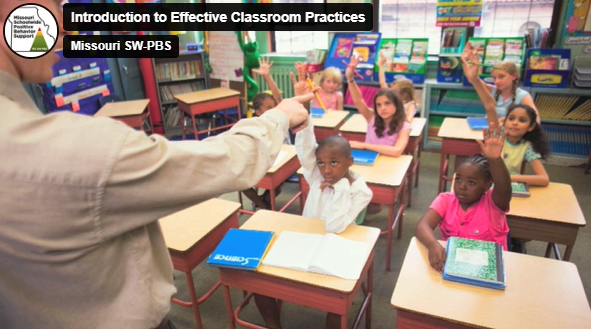
Tier 1 includes universal management strategies designed to meet the needs of all students and develop a common 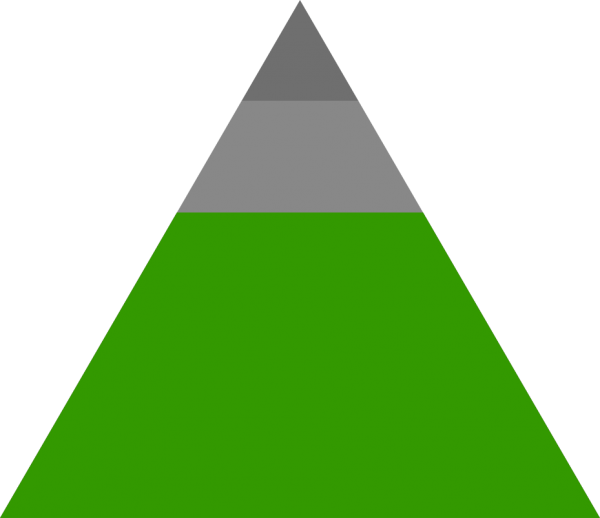 language and focus for all school staff, families, and community members. Universal or Tier 1 strategies are designed to be implemented consistently and efficiently across all school settings, classroom and non-classroom (e.g., cafeteria, hallways). This includes teaching specific behaviors or social skills that will lead to success in school, providing frequent positive reinforcement for expected behavior, consistently addressing social errors, and arranging teaching and learning environments to ensure success for all. This level should meet the needs of approximately 80 percent of a school’s student body.
language and focus for all school staff, families, and community members. Universal or Tier 1 strategies are designed to be implemented consistently and efficiently across all school settings, classroom and non-classroom (e.g., cafeteria, hallways). This includes teaching specific behaviors or social skills that will lead to success in school, providing frequent positive reinforcement for expected behavior, consistently addressing social errors, and arranging teaching and learning environments to ensure success for all. This level should meet the needs of approximately 80 percent of a school’s student body.Tier 2
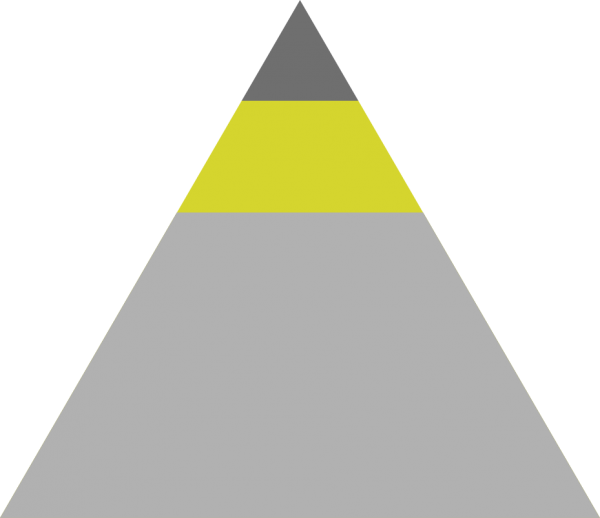
When schools have a solid foundation of Tier 1 SW-PBS systems, data, and practices for all students, planning may begin for Tier 2 systems, data, and practices. Tier 2 provides targeted small group interventions for up to 15% of students who are at-risk for negative social, emotional, and/or behavioral health outcomes
.
The purpose and key features of Tier 2 include the use of data to identify students who are at risk for difficulties. Interventions should prevent the development of problems and also decrease the frequency or intensity of problem behaviors, thereby minimizing their impact. Standardized interventions that support student needs are continuously available, and data is used to monitor progress and make decisions.
Tier 3
Approximately 1-5% of students will continue to experience difficulty after participation in ongoing Tier 1 support and inclusion in a Tier 2 intervention. In many cases these students have school histories of significant academic and behavioral difficulties over an extended period of time. Because their needs may be more intense and chronic, Tier 3 support systems are individualized. Just as with the Tier 2 level, schools must build on the established schoolwide system to accurately identify these students, and data-based
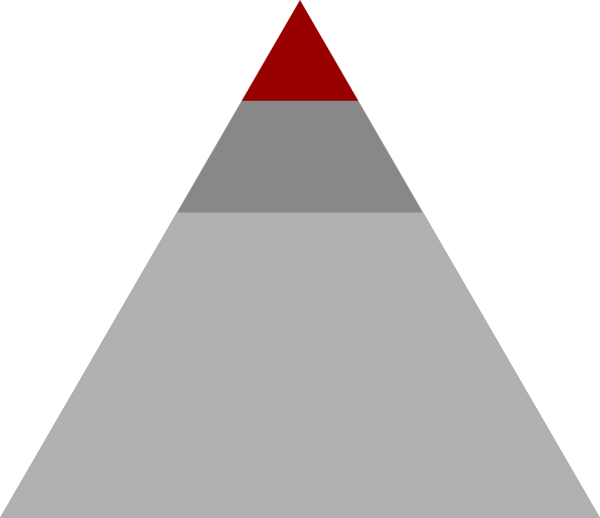
decision making is essential.
Students with chronic and/or intense problem behaviors require specially designed and individualized interventions that match the function of the problem behavior. A simple functional behavioral assessment (FBA) is conducted to create a summary statement that forms the basis for a student’s behavior intervention plan (BIP). Expertise in the science of behavioral assessment is necessary for the development and implementation of individualized support plans.